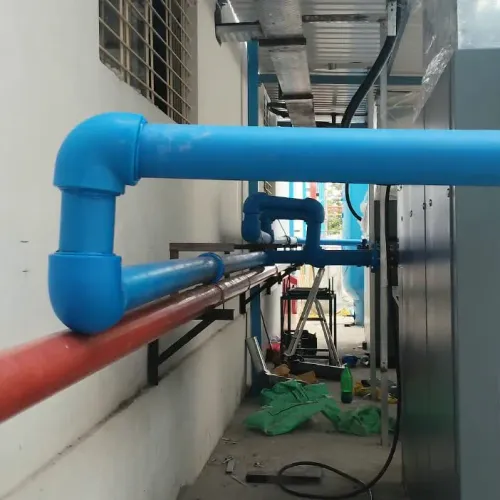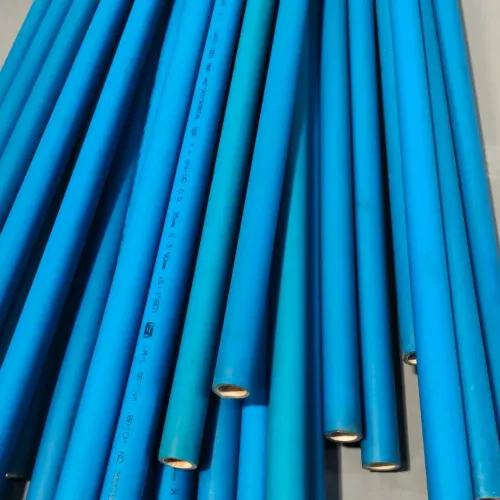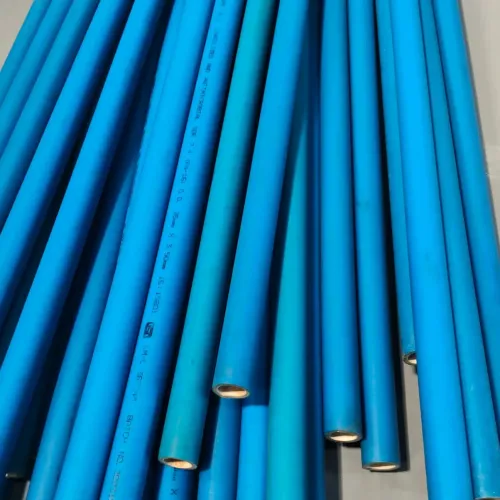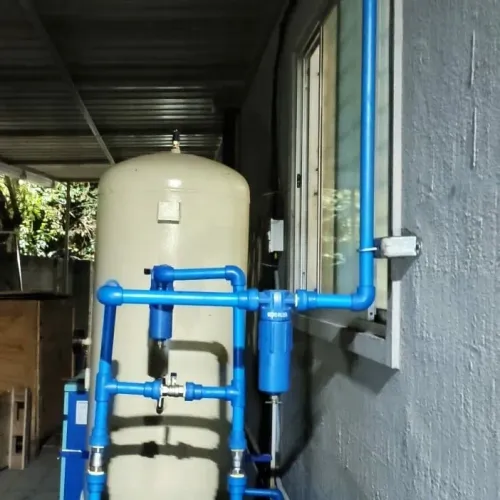
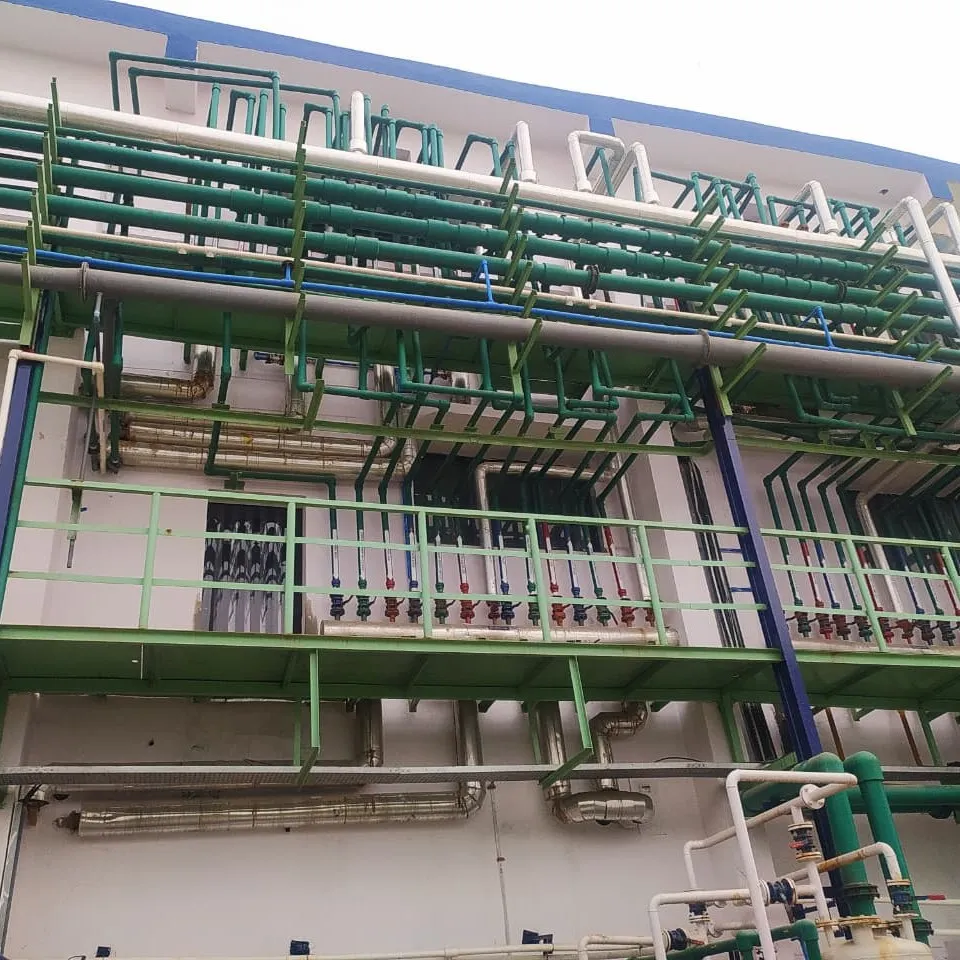
For thermal power applications, PPR (Polypropylene Random Copolymer) piping is increasingly favored over traditional metal pipes for auxiliary systems like cooling water, demineralized water, and compressed air due to its corrosion resistance and thermal insulation properties.
As an engineer or project manager at Indutility Engineers, the installation process requires precision to handle the high-pressure and temperature fluctuations typical of a power plant environment.
1. Material Selection & Handling
In thermal power settings, standard PPR may not suffice. Ensure you are using:
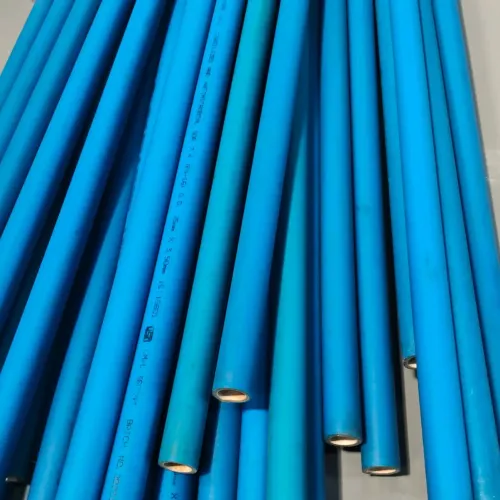
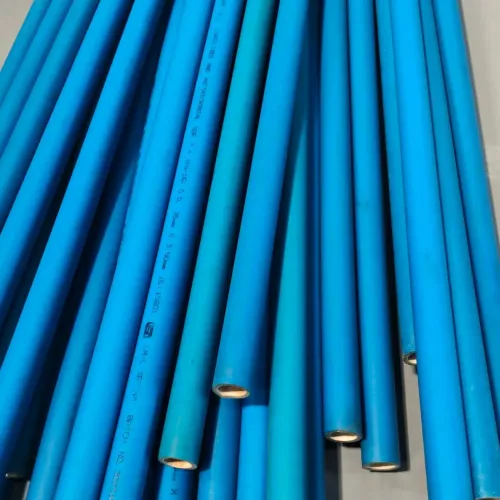
PPR-FR (Fiber Reinforced): These pipes have a middle layer of glass fiber which reduces linear thermal expansion by up to 75%, critical for hot water lines.
Pressure Rating: Typically PN20 or PN25 for industrial auxiliary lines.
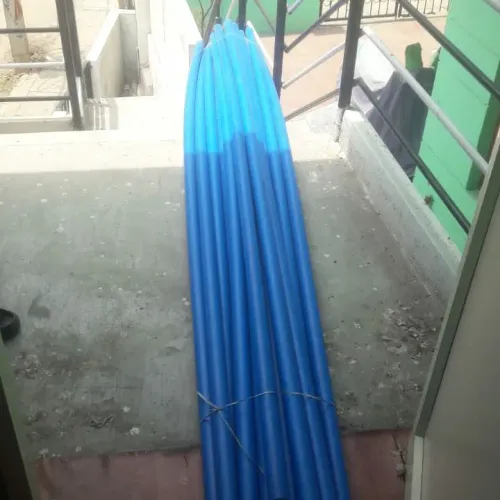
Storage: Keep pipes away from direct sunlight (UV degradation) and ensure they are supported on a flat surface to prevent sagging before installation.
2. The Jointing Process: Heat Fusion
The integrity of a thermal power system relies on the socket fusion method.
Keywords