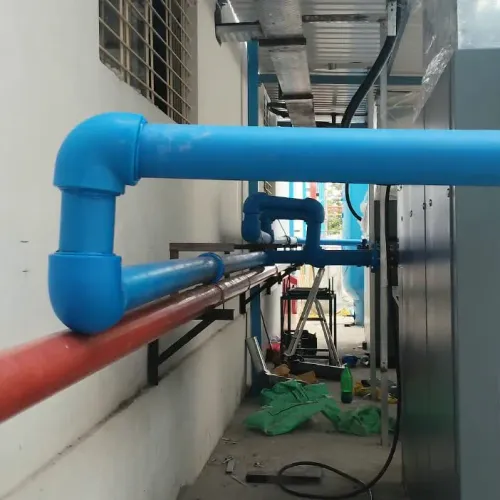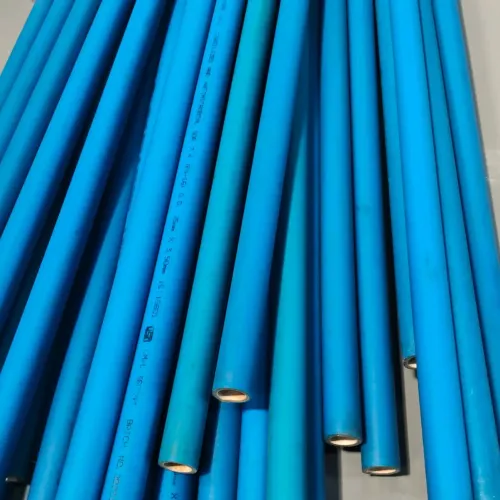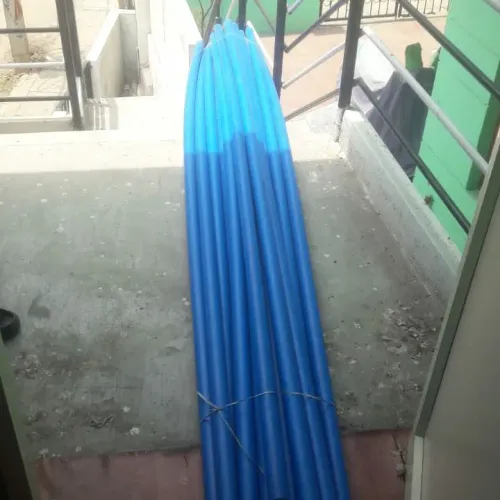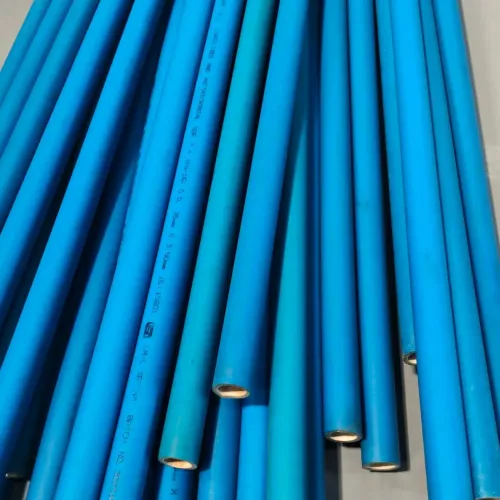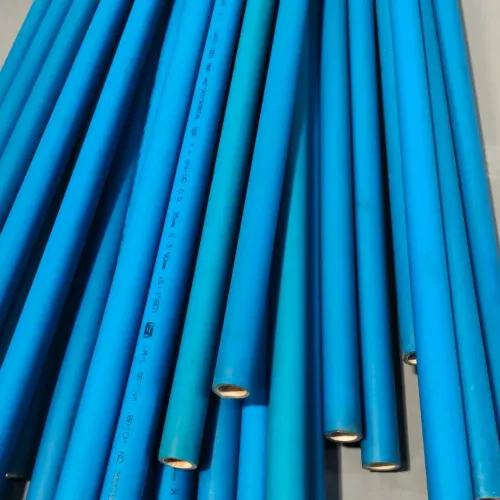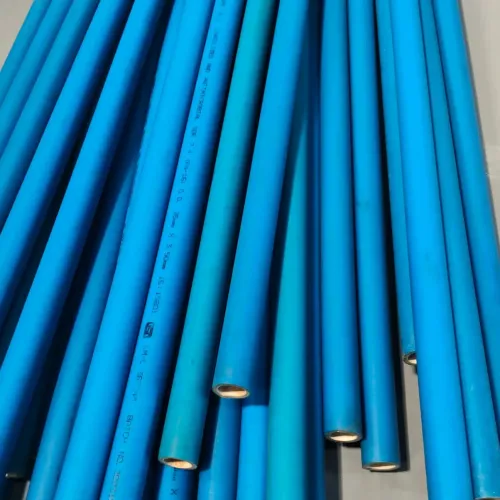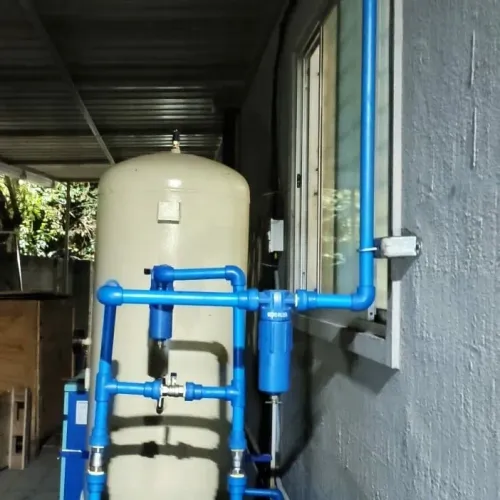
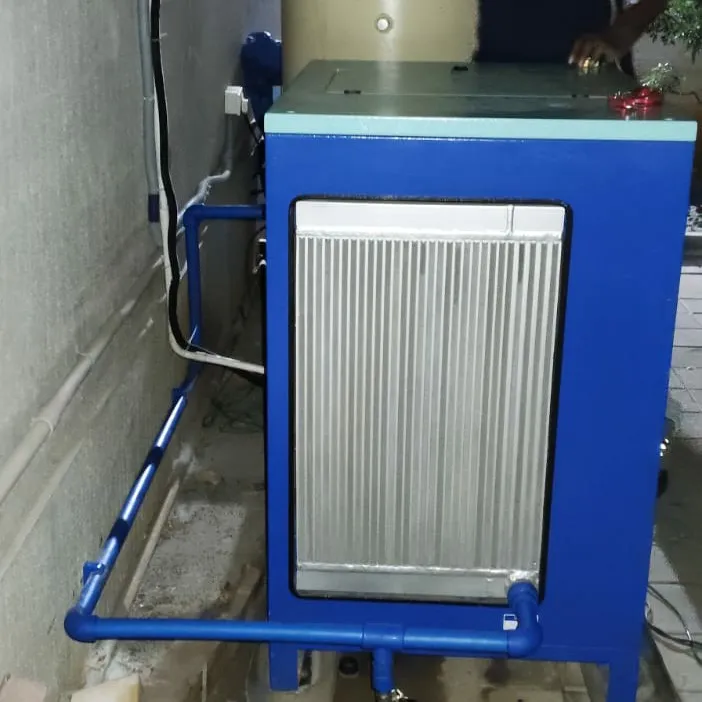
If you mean PPR (polypropylene random copolymer) pipes for chemical-industry applications, they can be suitable for certain chemical fluids, but the exact grade and operating conditions matter.
PPR pipes for chemical service
Material: PP-R / PP-RCT, depending on the application.
Advantages: Good corrosion resistance, lightweight, smooth internal surface, and generally no scaling/rusting like metal piping.
Typical uses: Chemical dosing lines, process-water systems, certain acids/alkalis, wastewater, and industrial utilities.
Temperature: PP-R is generally intended for moderate-temperature service; continuous high-temperature chemical service needs specific manufacturer data.
Chemical compatibility: Resistance varies significantly with the chemical concentration, temperature, pressure, and exposure time. A chemical that is compatible with PP-R at room temperature may not be suitable at elevated temperature.
Joining: Heat-fusion joints can provide a continuous, leak-resistant piping system.
For aggressive chemicals or higher temperatures, PP-H, PVDF, PTFE-lined pipe, HDPE, or CPVC may be considered instead, depending on the chemical.
If you tell me the chemical name/concentration, temperature, pressure, pipe size, and application, I can help determine whether PPR is suitable and what pipe specification/wall class to consider.
Keywords